In the Balance is a resource center for journalists, to help them make their reporting more inclusive of women’s perspectives and voices, and more representative of the world we live in by applying a gender-lens approach.

Just like a lens can help the eye see better, a “gender lens” allows us to consider the powers at play that have to do with gender in any given situation. Applied to journalism, this means taking into account how gender affects people and events at all stages of producing a news story, to ensure a fuller, more nuanced picture, and richer, more informative news where the audience feels included.

It seems like the most obvious step to take, but we all know it can be tough to find new, credible sources. Luckily, there is a growing number of databases indexing women experts. We’ve put together a list of some of those, as well as a list of helpful grassroots initiatives and organizations for you. Maybe it’ll spark some ideas, and help save you some time.

Oftentimes, research is reported on for a main finding that is deemed newsworthy at one time. But nested in reports and studies are details and bits of information that can spark an idea for a story. Want to start digging? We have a selection for you on a variety of topics to get you started exploring how gender intesects with all beats.

Many journalists all over the world have been doing this work for years. Yet, gender-sensitive journalism remains underrecognized and sometimes, even, misunderstood. To help you get a more concrete sense of what it means to apply the gender lens throughout different stages of the journalistic process, we compiled some advice from renowned reporters and editors.

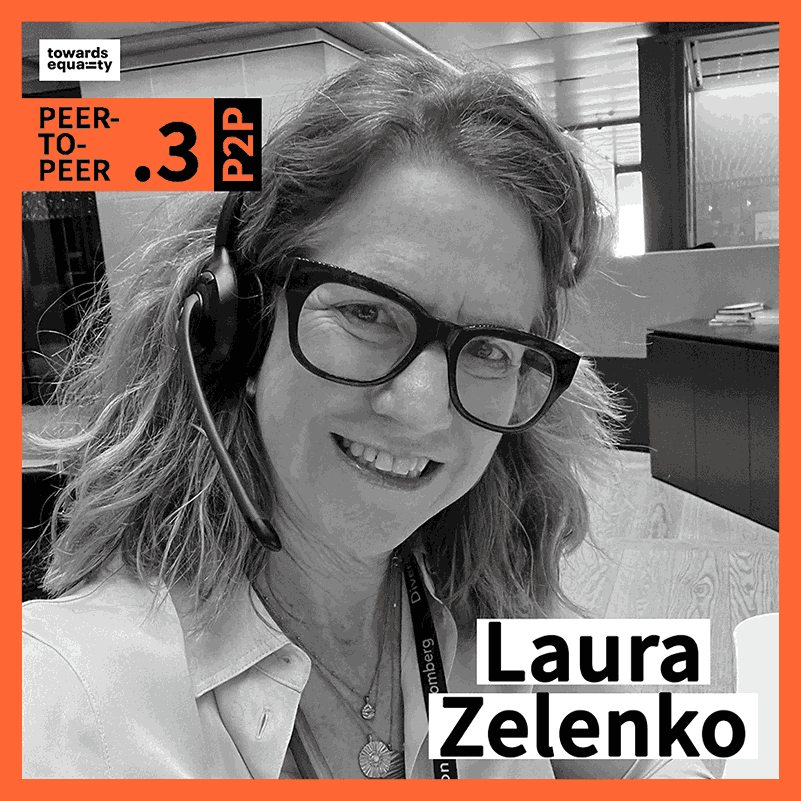
In our third episode of “Peer-to-Peer,” Bloomberg’s Global Standards Editor tells about the ways in which the business and finance-focused news organization is making its reporting and newsroom more inclusive.

For our first episode of “Peer-to-Peer,” we sat down with former gender director at the New York Times Francesca Donner for tips on how to produce more layered stories.
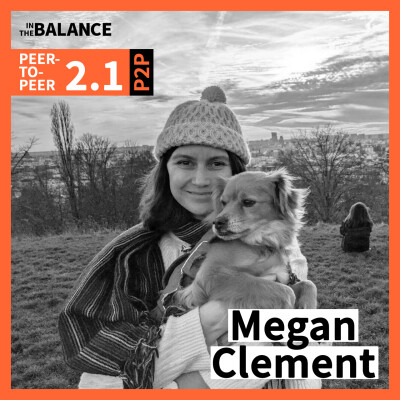
Our “Peer-to-Peer” series is back! In this first episode of season 2, we talk about gender journalism and it means in 2023 with the editor of “Impact,” a newsletter at the intersection of politics and gender.
> Access all episodes

Not to be all doom and gloom, but the next pandemic might be right around the corner, experts warn – it’s “inevitable.” We’ve heard of Disease X in the last few months, and although no clear global threat has been identified for now (despite the current worldwide cholera outbreaks), the world isn’t equipped to face another global pandemic quite yet.

It’s tough when, in the wake of an election where populism triumphs, we’re reminded how big of a role and responsibility journalism holds in what happens in society. We might avoid thinking about it on the daily or even somehow momentarily forget, but when the results of a ballot are confirmed, we have to face the facts: The news industry played a part in this outcome.

2024 is an election year in over 80 countries. Nearly half the global population has already voted or is expected to in the next eight months. Whether local, national, or international, these ballots are connected to the broader world context. While the top concerns for potential electors seem to be inflation, poverty, and social inequality, many politicians have chosen to put migration (once again) on their list of priorities when campaigning.
> View all newsletters